Choosing the right coffee maker for your home can feel confusing. There are so many types, features, and price points that it’s easy to get overwhelmed. But a good coffee maker is more than just an appliance—it’s part of your daily ritual and can shape how you start your day.
Whether you enjoy a strong espresso, a classic drip coffee, or a quick cup on the go, picking the best machine for your needs makes a real difference. This guide will help you understand your options, compare key features, and avoid common mistakes, so you’ll feel confident making the right choice for your kitchen.
Understanding Coffee Maker Types
Before you buy, it’s important to know the main types of coffee makers available. Each type has its own strengths and is suited for different tastes and lifestyles.
Drip Coffee Makers
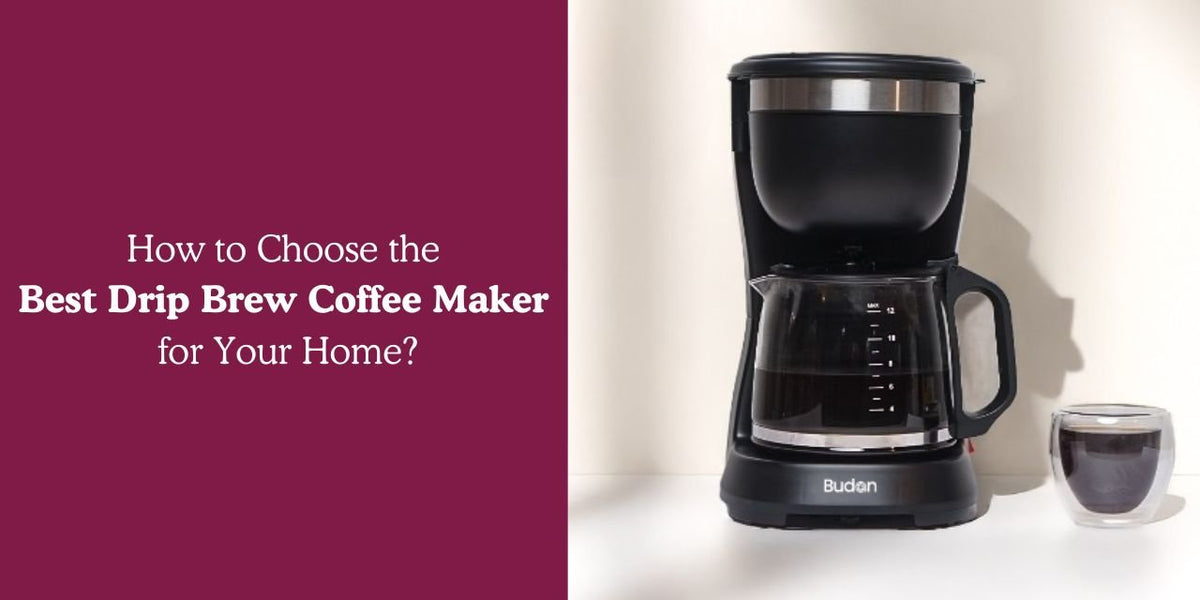
Drip coffee makers are the most common in American homes. They brew coffee by dripping hot water through ground coffee in a paper or reusable filter. They’re easy to use, affordable, and can make multiple cups at once.
- Best for: Families, offices, people who want several cups at a time
- Downsides: Coffee can taste stale if left on a hot plate for too long
Single-serve Pod Machines
These machines use pre-packaged pods (like Keurig or Nespresso) for quick, mess-free brewing. Just pop in a pod and press a button.
- Best for: Busy mornings, single coffee drinkers, variety of flavors
- Downsides: Higher cost per cup, pods can be wasteful
Espresso Machines
Espresso machines force hot water through finely-ground coffee to produce a strong, rich shot. Some are manual, while others are fully automatic.
- Best for: Espresso lovers, those who enjoy cappuccinos and lattes
- Downsides: Can be expensive and have a learning curve
French Press
A French press brews coffee by steeping grounds in hot water, then pressing them with a plunger. It’s simple and portable.
- Best for: People who like robust, full-bodied coffee
- Downsides: Not ideal for large groups, some sediment in the cup
Pour-over
Pour-over coffee involves pouring hot water over coffee grounds in a cone filter. It gives you control over brewing time and strength.
- Best for: Coffee purists, those who enjoy the brewing process
- Downsides: Takes time, requires attention
Cold Brew Makers
These steep coffee grounds in cold water for several hours to produce a smooth, low-acid coffee.
- Best for: Iced coffee fans, people who want coffee ready in the fridge
- Downsides: Long brewing time (8-24 hours)
Here’s a quick comparison of popular coffee maker types:
| Type | Brewing Time | Ease of Use | Cost Range |
|---|---|---|---|
| Drip | 5-10 min | Very Easy | $20-$150 |
| Single-Serve | 1-2 min | Very Easy | $40-$200 |
| Espresso | 1-5 min | Moderate/Hard | $80-$2,000 |
| French Press | 4-6 min | Easy | $15-$60 |
| Pour-Over | 3-5 min | Moderate | $20-$100 |
| Cold Brew | 8-24 hrs | Easy | $25-$100 |
Key Factors To Consider Before Buying
When it comes to choosing the right coffee maker, several important factors should guide your decision. Think about these aspects before making a purchase.
How Many Cups Do You Need?
Some machines brew a single cup, while others make 8–12 cups at once. If you entertain guests or have a family, a larger machine saves time. If you live alone or only drink one cup, a single-serve or small French press might be better.
Your Preferred Coffee Style
If you love espresso drinks like lattes or cappuccinos, a basic drip maker won’t satisfy you. On the other hand, if you just want a simple cup of black coffee, a drip or pour-over machine is perfect.
Budget
Coffee makers range from $15 to over $2,000. Set a budget before shopping. Remember, price doesn’t always mean better coffee—some affordable options make excellent drinks.
Counter Space
Measure your kitchen space. Some machines are large or tall and may not fit under cabinets. Compact options are available for small kitchens.
Features And Settings
Modern machines offer many extra features:
- Programmable timers: Wake up to fresh coffee
- Built-in grinders: For fresher coffee
- Strength settings: Adjust how bold your coffee is
- Milk frothers: Make cappuccinos and lattes
But more features mean a higher price and sometimes more complicated cleaning.
Ease Of Cleaning
Coffee makers need regular cleaning to keep your coffee tasting fresh. Look for removable parts and dishwasher-safe components.
Environmental Impact
Pod machines can create a lot of plastic waste. Consider machines with reusable filters or recyclable pods if you care about the environment.
Comparing Top Coffee Maker Features
Some features make a big difference in daily use. Let’s compare several popular features and how they impact your brewing experience.
| Feature | Benefit | Downside | Best For |
|---|---|---|---|
| Programmable Timer | Coffee ready when you wake up | May require more setup | Busy mornings |
| Thermal Carafe | Keeps coffee hot for hours | Higher price | Families, offices |
| Milk Frother | Makes lattes and cappuccinos | More cleaning required | Espresso fans |
| Built-in Grinder | Fresh ground coffee every time | Louder, may need more cleaning | Flavor seekers |
| Reusable Filter | Saves money, eco-friendly | Must be cleaned after each use | Daily drinkers |
Common Mistakes To Avoid
Many buyers make the same mistakes when choosing a coffee maker. Here are some to watch out for:
1. Ignoring Maintenance Needs
Some coffee makers need regular descaling or cleaning, especially those with milk frothers or grinders. If you don’t like cleaning, avoid complicated machines.
2. Buying More Than You Need
It’s easy to be tempted by extra features. But if you only drink black coffee, a simple machine may be best.
3. Not Checking Pod Availability
Single-serve machines need specific pods. Check if you can easily buy them in your area, or you might end up with a machine you can’t use.
4. Overlooking Water Quality
The taste of your coffee depends on water quality. Some machines have built-in water filters, which can improve flavor.
5. Forgetting About Noise
Espresso and grinder machines can be noisy. If you make coffee early in the morning, this could disturb others.

Credit: www.inlandaction.com
Real-world Examples
Let’s look at how different households choose their coffee makers:
- A busy family: They choose a drip coffee maker with a programmable timer and large carafe, so everyone gets coffee quickly in the morning.
- A young professional: Prefers a single-serve pod machine for speed and convenience. They buy reusable pods to save money and reduce waste.
- A coffee enthusiast: Selects a manual espresso machine with a grinder and milk frother. It takes more time and effort, but the coffee quality is worth it for them.
- A student in a small apartment: Picks a French press because it’s affordable, easy to store, and doesn’t need electricity.
These choices show that the “best” coffee maker depends on your needs, not just on ratings or price.
How To Test Before Buying
If possible, try out machines before you buy. Many appliance stores have demo models. You can also read reviews or watch video demonstrations online. Focus on:
- How easy is it to use and clean?
- Does it make the type of coffee you like?
- Is it noisy?
- Does it fit your kitchen space?
Some manufacturers also offer return policies or satisfaction guarantees, so you can test at home.
Credit: somethingsbrewing.in
Coffee Maker Brands Worth Considering
There are many brands on the market, but some are known for quality and reliability:
- Keurig: Famous for pod machines; huge variety of flavors
- Breville: Known for high-quality espresso and drip machines
- Cuisinart: Offers affordable, reliable drip and grind-and-brew machines
- Technivorm Moccamaster: Premium drip machines for coffee enthusiasts
- Nespresso: Espresso-style pod machines with rich flavor
Checking online ratings and reviews, such as those on Consumer Reports, can help you avoid brands with common reliability issues.
Non-obvious Insights For Better Choices
Many first-time buyers focus only on taste, price, or speed. But here are two important, less obvious tips:
- Consider how you clean and store your machine. Some models with lots of parts or odd shapes can be hard to clean or dry, leading to mold or stale flavors over time.
- Think about future needs. If you plan to move or expect changes in your household (like a new family member or roommate), pick a flexible machine or one that can brew different quantities.
Frequently Asked Questions
What Is The Most Reliable Type Of Coffee Maker?
Drip coffee makers and French presses are often the most reliable because they have fewer parts that can break. Brands like Technivorm and Cuisinart have strong reputations for long-lasting products.
Are Pod Coffee Makers Bad For The Environment?
Pod machines can create a lot of plastic waste, especially single-use pods. However, some brands now offer recyclable or compostable pods, and reusable pods are also available. Always check the options for your chosen machine.
How Important Is A Built-in Grinder?
A built-in grinder provides fresher coffee and stronger flavor, but it also means more cleaning and a higher price. If taste is your top priority, it can be worth it. Otherwise, buying pre-ground coffee or a separate grinder works too.
Can I Make Espresso With A Regular Coffee Maker?
No, regular drip or French press machines can’t create the pressure needed for real espresso. Some machines are labeled “espresso-style” but don’t deliver true espresso. If you want authentic espresso, get a dedicated espresso machine.
How Often Should I Clean My Coffee Maker?
You should clean your coffee maker at least once a week, and descale it every 1–3 months, depending on water hardness and how often you use it. Regular cleaning keeps your coffee tasting fresh and the machine running smoothly.
Finding the right coffee maker for your home is about more than just picking the best-looking model or the one with the most features. Start by thinking about your daily habits, the coffee you love, and how much time you want to spend brewing and cleaning.
By understanding the main types, comparing key features, and avoiding common mistakes, you’ll enjoy better coffee every day—and make a smart investment in your morning routine.