
If your coffee doesn’t taste as fresh as it used to, your coffee machine may need a deep clean. Over time, coffee oils, mineral deposits, and hard water buildup collect inside the machine. This can affect the flavor of your coffee, slow down brewing, and even reduce the lifespan of your coffee maker.
Many people use white vinegar to clean coffee machines because it’s inexpensive and effective at dissolving mineral buildup. However, vinegar isn’t everyone’s favorite cleaning solution. It often leaves behind a strong smell and taste, and some coffee machine manufacturers recommend using gentler alternatives.
The good news is that you can clean a coffee machine without vinegar using simple ingredients that are safe, affordable, and easy to find. Whether you own a drip coffee maker, espresso machine, Keurig, Nespresso, or pod coffee machine, this guide will show you exactly how to clean it naturally.
In this step-by-step tutorial, you’ll learn:
- Why vinegar isn’t always the best option.
- The safest alternatives for cleaning coffee machines.
- A simple 5-step cleaning process.
- How often you should descale your machine.
- Tips to keep your coffee tasting fresh every day.
By the end of this guide, your coffee machine will be cleaner, smell fresher, and brew better-tasting coffee.
Why You Should Clean Your Coffee Machine Regularly
Cleaning your coffee machine isn’t just about appearance. It’s about maintaining performance, hygiene, and coffee quality.
1. Removes Mineral Buildup
If you use tap water, minerals like calcium and magnesium build up inside the heating system. This buildup is called limescale. Too much limescale can reduce water flow and make brewing slower.
2. Improves Coffee Flavor
Coffee oils stick to filters, brew baskets, and internal tubing. Old coffee oils become rancid over time, giving coffee a bitter or stale taste.
3. Prevents Mold and Bacteria
The water reservoir stays damp for long periods. Moist environments can encourage mold and bacteria growth if the machine isn’t cleaned regularly.
4. Extends Machine Lifespan
Regular descaling helps heating elements work efficiently, reducing wear and helping your coffee maker last longer.
Signs Your Coffee Machine Needs Cleaning
- Coffee tastes bitter or sour.
- Brewing takes longer than usual.
- Water flows slowly.
- White mineral deposits appear inside the reservoir.
- The machine smells unpleasant.
- Coffee isn’t as hot as before.
If you notice one or more of these signs, it’s time for a deep clean.
Why Avoid Vinegar?
White vinegar is commonly used for descaling, but it isn’t always the best solution.
Drawbacks of Vinegar
- Strong smell can remain inside the machine.
- The taste may linger in several cups of coffee.
- Multiple rinse cycles are usually needed.
- Some manufacturers recommend avoiding vinegar because repeated use may affect certain internal seals or components.
Instead, natural alternatives like citric acid or lemon juice clean mineral buildup effectively without leaving a sour odor behind.
Best Vinegar Alternatives
For most households, citric acid is the best vinegar-free option because it removes limescale efficiently and rinses away cleanly.
What You’ll Need Before Cleaning
Before starting, gather these supplies.
Cleaning Supplies Checklist
- Warm water.
- Microfiber cloth.
- Soft sponge.
- Soft toothbrush.
- Mild dish soap.
- Measuring cup.
Cleaning Solution (Choose One)
Option 1 — Citric Acid (Recommended)
Mix:
- 2 tablespoons food-grade citric acid.
- 4 cups (1 liter) warm water.
This solution removes mineral buildup without leaving an odor.
Option 2 — Lemon Juice
Mix:
- 1 cup fresh lemon juice.
- 1 cup water.
Best for light descaling and refreshing the machine.
Option 3 — Baking Soda
Mix:
- 2 tablespoons baking soda.
- 4 cups warm water.
This works well for deodorizing and cleaning removable parts.
Tip: Always use food-grade cleaning ingredients for coffee machines.
Before You Start: Important Safety Tips
Before cleaning any coffee machine:
- Turn the machine off.
- Unplug it from the power outlet.
- Allow the machine to cool completely.
- Empty any remaining water from the reservoir.
- Remove used coffee grounds or pods.
Never immerse the entire coffee machine in water. Only removable parts should be washed in the sink.
What Happens If You Never Clean Your Coffee Machine?
Many coffee drinkers don’t realize how quickly residue builds up.
Here’s what can happen:
- Coffee develops a burnt taste.
- Brewing temperature drops.
- Brewing time increases.
- Water flow becomes inconsistent.
- Mold may develop in hidden areas.
- Heating elements work harder, reducing efficiency.
A monthly deep clean helps prevent these problems and keeps your coffee tasting like it should.
Which Coffee Machines Can Use This Cleaning Method?
This vinegar-free method works for most popular coffee machines, including:
- Drip Coffee Makers.
- Espresso Machines.
- Keurig Coffee Makers.
- Nespresso Machines.
- Pod Coffee Machines.
- Single-Serve Coffee Makers.
- Coffee Percolators.
Some espresso machines have manufacturer-specific descaling programs, so it’s always a good idea to check your owner’s manual before using any cleaning solution.
Step 1: Empty and Prepare Your Coffee Machine
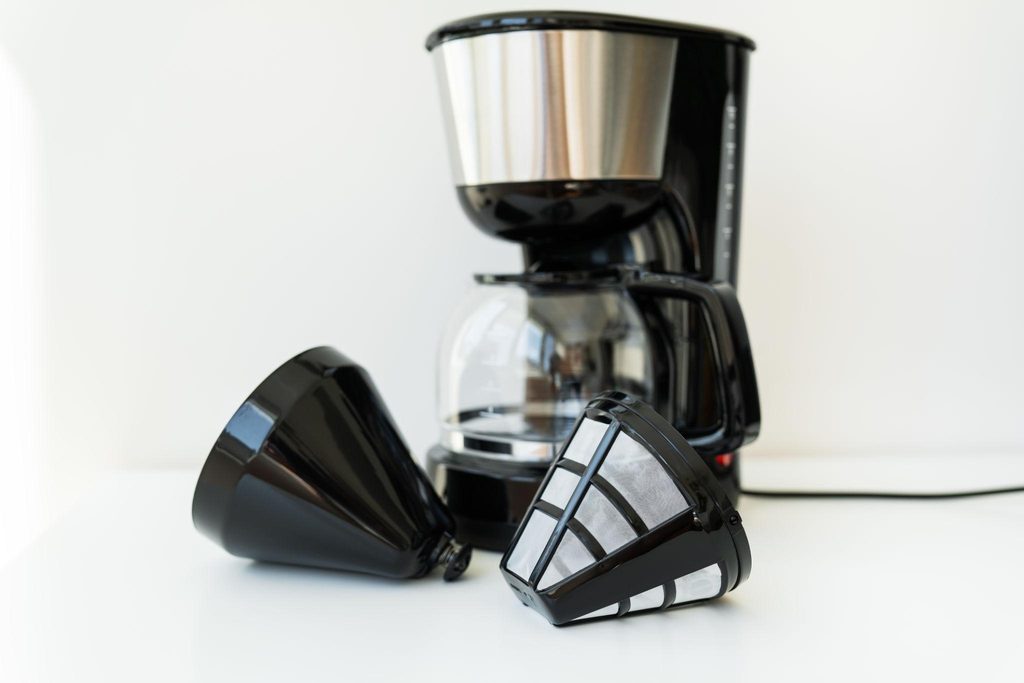
Before adding any cleaning solution, prepare your coffee machine properly. This helps remove loose coffee residue and ensures the descaling solution reaches every internal part of the machine.
What to Do
- Turn off the coffee machine.
- Unplug it from the power outlet.
- Allow the machine to cool for 10–15 minutes if it was recently used.
- Remove used coffee grounds, pods, or capsules.
- Empty the water reservoir completely.
- Take out the reusable filter, brew basket, drip tray, and carafe.
Why This Step Matters
Coffee grounds and leftover water can interfere with the cleaning process. Removing all removable parts first allows you to clean both the inside and outside of the machine more effectively.
Quick Tip
If your machine has a charcoal or water filter inside the reservoir, remove it before descaling. Replace it after the cleaning process is finished.
Step 2: Wash All Removable Parts Thoroughly
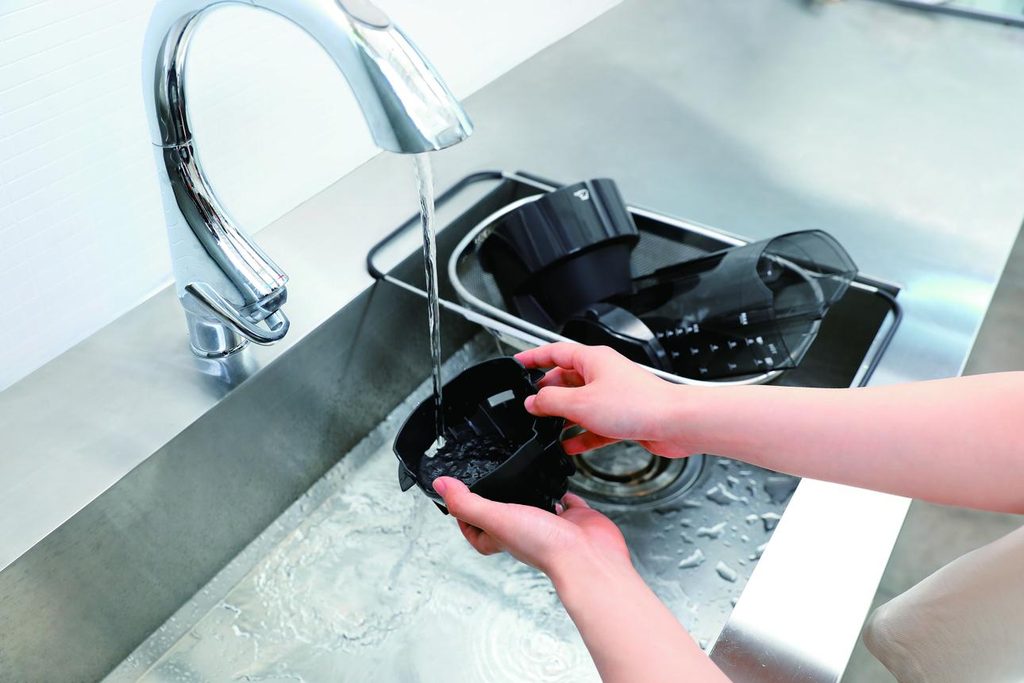
Most coffee makers have removable components that collect coffee oils every day. These oils become sticky over time and can leave an unpleasant taste in your coffee.
Parts You Should Wash
- Coffee carafe.
- Brew basket.
- Permanent or reusable filter.
- Drip tray.
- Reservoir lid.
- Capsule holder (for pod machines).
How to Wash Them
Use warm water with a few drops of mild dish soap.
- Soak the parts for 5–10 minutes.
- Use a soft sponge to remove coffee stains.
- Use a toothbrush to clean small corners and edges.
- Rinse thoroughly with clean water.
- Let everything air dry.
Cleaning the Coffee Carafe Naturally
If brown coffee stains remain inside the glass carafe:
- Add 2 tablespoons of baking soda.
- Pour in warm water.
- Let it sit for 15 minutes.
- Scrub gently with a soft sponge.
For stubborn stains, add one tablespoon of uncooked rice with warm soapy water and swirl it around. The rice acts as a gentle scrubber without scratching the glass.
Don’t Use
- Steel wool.
- Bleach.
- Abrasive cleaners.
These can damage glass and plastic surfaces.
Step 3: Descale the Inside Without Vinegar
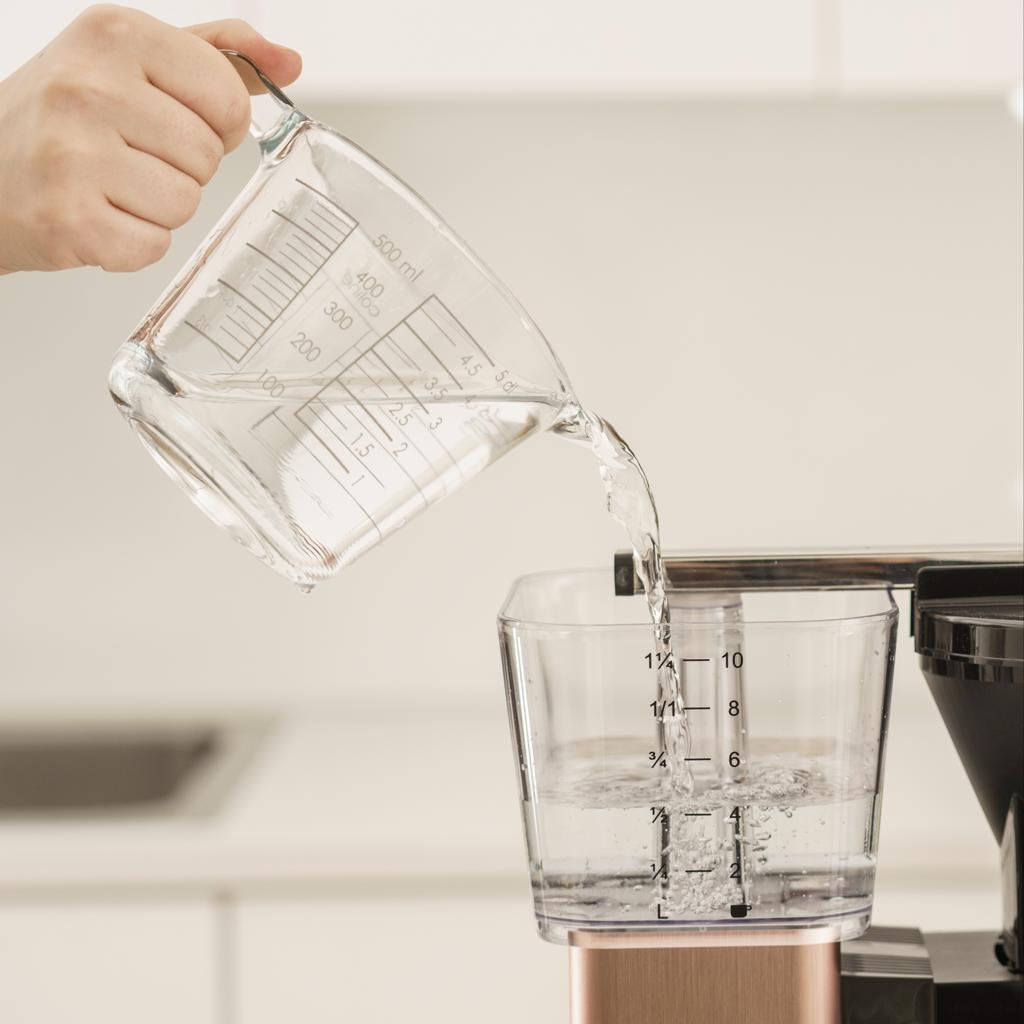
This is the most important step because mineral deposits build up inside places you can’t see.
Best Method: Citric Acid Solution
Mix together:
- 2 tablespoons food-grade citric acid.
- 1 liter (4 cups) warm water.
Stir until completely dissolved.
Cleaning Process
- Pour the solution into the water reservoir.
- Place the empty carafe under the coffee maker.
- Start a normal brewing cycle.
- Pause the machine halfway through if your model allows it.
- Leave the solution inside for 15–20 minutes.
- Resume the brewing cycle until finished.
The solution travels through the internal tubes, heating element, and brew head, dissolving calcium and mineral buildup.
If Your Machine Doesn’t Have a Pause Button
Run the complete cycle normally, then let the solution remain inside the machine for another 15 minutes before starting the rinse cycles.
Lemon Juice Alternative
If you don’t have citric acid:
- Mix equal parts fresh lemon juice and water.
- Follow the same brewing process.
- Run extra rinse cycles afterward.
Baking Soda Alternative
Baking soda works better for deodorizing than descaling.
Use:
- 2 tablespoons baking soda.
- 1 liter warm water.
Run one complete cycle and rinse thoroughly.
How Do You Know Descaling Worked?
You’ll notice:
- Faster brewing.
- Better water flow.
- Less noise during brewing.
- Hotter coffee.
- Improved flavor.
Step 4: Flush the Machine with Fresh Water
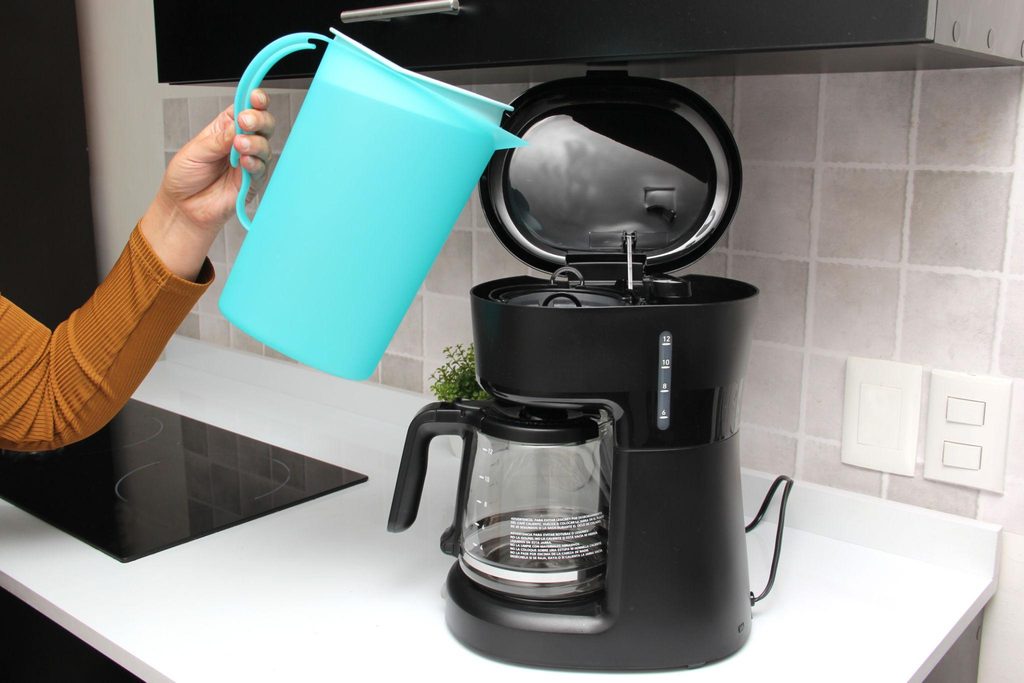
Never skip this step.
Even natural cleaning solutions should be rinsed completely from the coffee machine.
How Many Rinse Cycles?
Run 2–3 full brewing cycles using only clean filtered water.
First Rinse
Fill the reservoir with clean water and brew a full cycle.
Second Rinse
Repeat with fresh water again.
Third Rinse (Recommended)
A final rinse ensures absolutely no residue remains inside.
Taste Test
After the final rinse:
- Smell the reservoir.
- Taste a small cup of hot water from the machine.
It should have no citrus smell, no sour taste, and no baking soda flavor.
Step 5: Wipe the Exterior and Dry Every Part
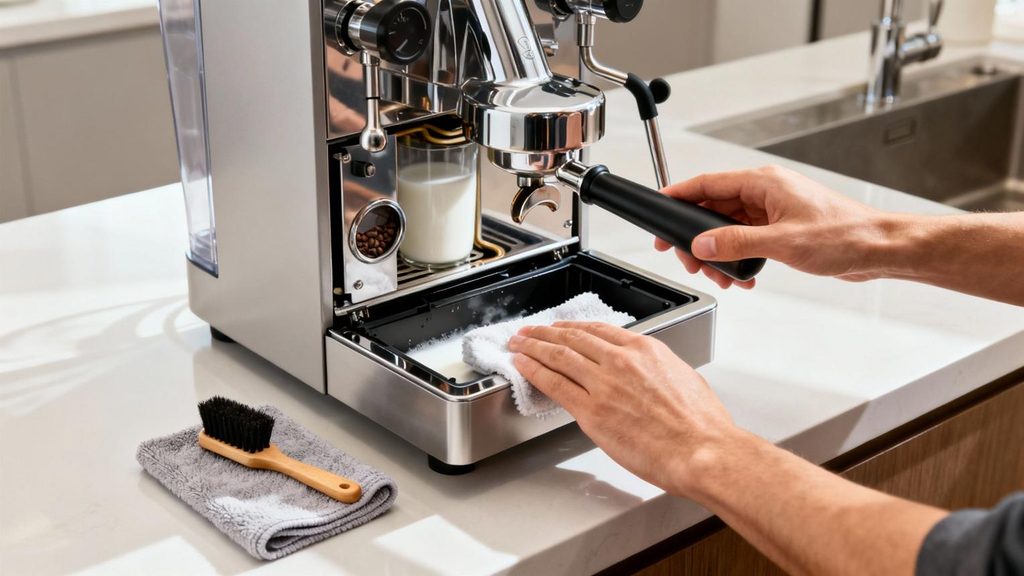
Cleaning the outside keeps bacteria, fingerprints, and coffee stains away.
Exterior Cleaning Steps
- Use a damp microfiber cloth.
- Wipe buttons and display gently.
- Clean around the brew head.
- Remove coffee splashes immediately.
Stainless Steel Coffee Makers
Use a microfiber cloth with warm water.
Dry immediately to prevent water spots.
Dry the Inside Properly
Leave these parts open for at least 30 minutes:
- Water reservoir lid.
- Brew basket compartment.
- Capsule compartment.
- Carafe.
Proper drying helps prevent mold and mildew.
Best Natural Coffee Machine Cleaning Solutions
Different ingredients work for different cleaning jobs.
Which One Should You Choose?
Citric acid is the best overall choice because it removes mineral deposits efficiently without leaving behind a lingering smell or taste. It is also inexpensive and widely available.
Common Mistakes to Avoid When Cleaning a Coffee Machine
Many coffee drinkers accidentally damage their machines by using the wrong cleaning methods.
1. Using Too Much Cleaning Solution
More cleaner does not mean a cleaner machine.
Always follow recommended measurements.
2. Forgetting to Rinse
Skipping rinse cycles leaves cleaning residue inside the brewing system.
3. Using Bleach
Bleach is unsafe for coffee machines because residue can remain inside internal tubing.
4. Scrubbing with Metal Brushes
Metal scrubbers scratch glass, plastic, and non-stick surfaces.
5. Leaving Water Inside the Reservoir
Standing water encourages mold and bacteria growth.
Always empty and dry the reservoir after cleaning.
Pro Tips for Better Coffee Machine Maintenance
Use Filtered Water
Filtered water contains fewer minerals than hard tap water, reducing limescale buildup.
Empty the Reservoir Daily
Don’t leave water sitting overnight if you don’t use the machine every day.
Wash the Brew Basket Every Week
Coffee oils build up surprisingly quickly.
Keep the Carafe Dry
After washing, store it upside down until completely dry.
Replace Water Filters Regularly
If your coffee maker has a charcoal filter, replace it according to the manufacturer’s recommendation.
How to Clean a Drip Coffee Maker Without Vinegar

Drip coffee makers are the most common coffee machines in homes across the USA, UK, Canada, and Australia. Brands like Mr. Coffee, Ninja, Cuisinart, Hamilton Beach, Black+Decker, and Breville all benefit from regular descaling and cleaning.
Step-by-Step Cleaning Process
1. Empty the Coffee Maker
Remove:
- Used coffee grounds.
- Filter.
- Remaining water.
Wash the brew basket and carafe with warm soapy water.
2. Fill the Water Reservoir
Use one of these solutions:
- 2 tablespoons citric acid + 1 liter warm water.
- Equal parts lemon juice and water.
3. Run One Brewing Cycle
Start a normal brew cycle.
Pause halfway through (if possible) for about 20 minutes so the solution can dissolve mineral buildup.
4. Complete the Brewing Cycle
Allow the machine to finish brewing.
5. Flush with Clean Water
Run 2–3 cycles using filtered water only.
Weekly Maintenance Tips
- Wash the reusable filter.
- Clean the brew basket.
- Wipe the warming plate after every use.
- Remove coffee stains immediately.
Monthly Maintenance
Deep descale once every month if you brew coffee daily.
How to Clean an Espresso Machine Without Vinegar
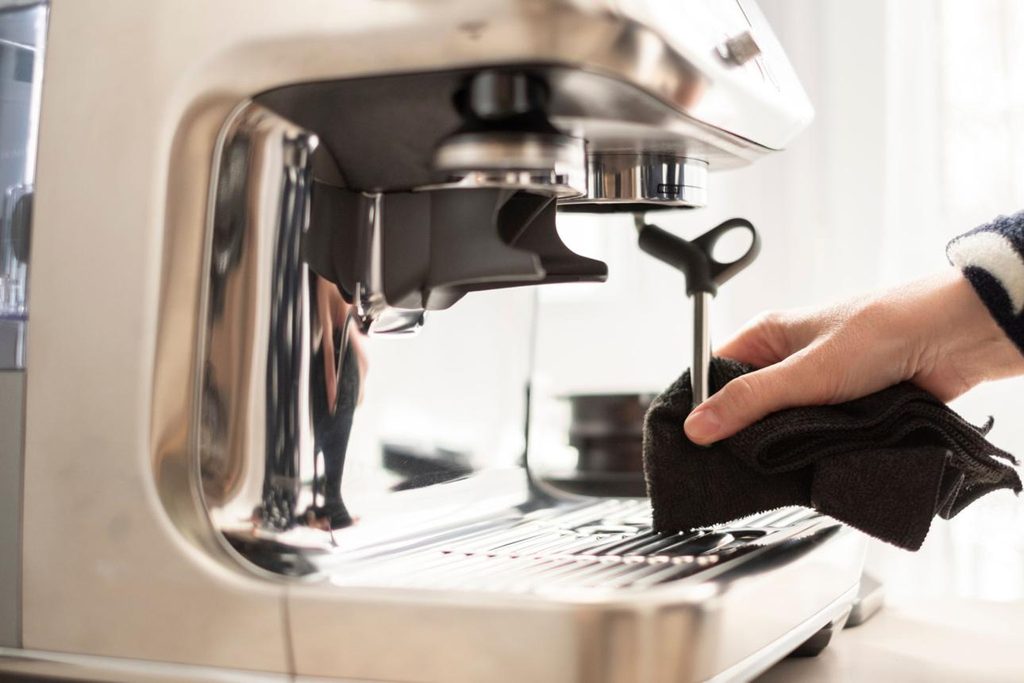
Espresso machines require a little more attention because they contain multiple brewing components.
Parts That Need Regular Cleaning
- Portafilter.
- Filter basket.
- Group head.
- Steam wand.
- Water reservoir.
- Drip tray.
Daily Cleaning Routine
Clean the Steam Wand
Immediately after steaming milk:
- Purge steam for 2–3 seconds.
- Wipe with a damp microfiber cloth.
This prevents milk residue from drying inside the wand.
Wash the Portafilter
Remove coffee grounds immediately after brewing.
Wash with warm water and mild soap.
Weekly Cleaning Routine
Use a soft brush around the group head to remove coffee oils.
Clean the drip tray and water reservoir.
Monthly Descaling
Use citric acid or a coffee machine descaler if compatible with your machine.
Descaling Steps
- Fill the reservoir with descaling solution.
- Run hot water through the brew head.
- Run hot water through the steam wand.
- Let the solution sit for 15 minutes.
- Flush the machine with fresh water three times.
Important Tip
Never leave milk inside the steam wand after making cappuccino or latte.
How to Clean a Keurig Coffee Maker Without Vinegar

Keurig machines are popular single-serve coffee makers.
Clean the Water Reservoir
- Remove reservoir.
- Wash with warm water.
- Clean the lid and filter holder.
Clean the Needle
Coffee grounds often clog the puncture needle.
Use:
- A paper clip.
- A soft cleaning tool.
Gently remove trapped coffee grounds.
Descale the Machine
Use citric acid solution.
Steps
- Fill reservoir.
- Brew without inserting a coffee pod.
- Repeat until the reservoir is empty.
- Wait 20 minutes.
- Run three fresh-water cycles.
Clean the Pod Holder
Remove capsule holder weekly.
Wash thoroughly under warm water.
Keurig K-Express Single-Serve Coffee Maker Worth Buying?
How to Clean a Nespresso Machine Without Vinegar
Nespresso machines need regular cleaning for better espresso flavor.
Weekly Cleaning
Wash:
- Capsule container.
- Drip tray.
- Water tank.
Allow everything to dry completely.
Monthly Descaling
If your machine has a descaling mode, activate it.
Otherwise:
- Add citric acid solution.
- Run hot water cycle.
- Empty the tray.
- Repeat with clean water.
Capsule Area Cleaning
Coffee residue often collects around the capsule holder.
Use a soft toothbrush to clean it.
How to Clean a Coffee Pod Machine
Many coffee pod machines work similarly to Keurig or Nespresso.
Easy Cleaning Routine
- Remove used pods.
- Wash drip tray weekly.
- Clean pod holder.
- Descale every month.
Best Practice
Use filtered water instead of hard tap water to reduce mineral buildup.
How to Clean a French Press Coffee Maker
French presses collect coffee oils inside the mesh filter.
Daily Cleaning
- Empty coffee grounds.
- Rinse immediately with warm water.
Weekly Deep Cleaning
Disassemble:
- Plunger.
- Filter mesh.
- Spring plate.
Wash each part individually.
Remove Coffee Oils
Soak the filter in warm water with baking soda for 15 minutes.
Scrub gently using a soft toothbrush.
Dry Completely
Moisture trapped inside the filter can produce unpleasant odors.
How to Clean a Coffee Grinder Naturally
Coffee grinders collect coffee oils and fine coffee dust.
Burr Grinder Cleaning
Weekly
- Empty beans.
- Use a grinder brush.
Monthly
Use grinder cleaning tablets or uncooked rice (if recommended by the manufacturer).
Never pour water directly inside an electric grinder.
Blade Grinder Cleaning
Add a tablespoon of baking soda.
Pulse for a few seconds.
Discard the powder and wipe clean with a dry cloth.
How to Remove Hard Water Buildup from a Coffee Machine
Hard water contains minerals that create white deposits.
Signs of Hard Water Buildup
- White residue.
- Slow brewing.
- Reduced water flow.
- Loud brewing sounds.
Best Solution
Citric acid works exceptionally well for hard water buildup.
Heavy Buildup Method
- Run one descaling cycle.
- Let solution sit for 30 minutes.
- Run another half cycle.
- Flush with clean water three times.
How Often Should You Clean Your Coffee Machine?
The cleaning schedule depends on how frequently you use it.
Coffee Machine Maintenance Schedule (12-Month Guide)
Daily Checklist
- Empty coffee grounds.
- Rinse reusable filter.
- Wash coffee cup tray.
- Leave reservoir lid open to dry.
Weekly Checklist
- Wash removable parts.
- Clean brew basket.
- Wipe exterior.
- Clean coffee stains.
Monthly Checklist
- Descale machine.
- Clean internal tubing.
- Inspect water filter.
- Check steam wand (espresso machine).
Every 3 Months
- Deep clean coffee grinder.
- Clean hidden corners.
- Replace charcoal filter if applicable.
Best Water to Use in Your Coffee Machine
Water quality affects both coffee flavor and machine lifespan.
Why Filtered Water Is Better
Using filtered water:
- Improves coffee taste.
- Reduces mineral deposits.
- Helps coffee makers last longer.
10 Tips to Keep Your Coffee Machine Clean Longer
- Use fresh filtered water.
- Empty leftover water daily.
- Wash removable parts every week.
- Never leave used coffee grounds overnight.
- Dry the water reservoir after cleaning.
- Replace water filters regularly.
- Wipe milk residue immediately.
- Store reusable filters dry.
- Clean the grinder once a month.
- Descale before mineral buildup becomes heavy.
These habits reduce the need for aggressive cleaning later.
Frequently Asked Questions (FAQ)
1. Can I clean a coffee machine without vinegar?
Yes. You can safely clean a coffee machine without vinegar using citric acid, lemon juice, baking soda, or a commercial coffee machine descaler. Citric acid is one of the most effective alternatives because it removes limescale without leaving a strong smell or taste.
2. What is the best substitute for vinegar in a coffee maker?
The best vinegar substitute is food-grade citric acid.
It:
- Removes hard water buildup.
- Doesn’t leave an odor.
- Rinses away easily.
- Is safe for most drip and pod coffee makers.
Lemon juice is another natural option for light descaling.
3. How often should I descale my coffee machine?
It depends on your water quality and how often you brew coffee.
Regular descaling helps prevent mineral buildup and keeps brewing temperature consistent.
4. Is baking soda safe for cleaning a coffee maker?
Yes, baking soda is safe for cleaning removable parts and removing odors.
However, baking soda is less effective than citric acid for removing calcium deposits inside the brewing system.
5. Can lemon juice damage a coffee machine?
No. Fresh lemon juice contains natural citric acid and is generally safe when diluted with water.
Always rinse the machine thoroughly afterward with clean water.
6. Why does my coffee still taste bad after cleaning?
Several reasons could cause this.
Possible Causes
- Coffee oils remain inside the brew basket.
- Not enough rinse cycles were completed.
- Old coffee beans are being used.
- The grinder contains stale coffee residue.
Run another water cycle and clean the grinder if necessary.
7. Can I use dishwasher detergent inside my coffee machine?
No.
Only removable components such as the carafe, brew basket, and drip tray should be washed with mild dish soap.
Never pour detergent into the water reservoir.
8. How long does it take to clean a coffee machine?
A complete vinegar-free cleaning usually takes 25–35 minutes.
9. Is citric acid better than vinegar for coffee machines?
For many users, yes.
Citric Acid Benefits
- Odor-free.
- Removes mineral buildup efficiently.
- Requires fewer rinse cycles.
- Doesn’t leave a sour smell.
10. Should I use filtered water in my coffee machine?
Yes.
Filtered water reduces mineral buildup and improves coffee flavor.
It’s one of the easiest ways to keep your coffee maker cleaner for longer.
Coffee Machine Troubleshooting Guide
Sometimes cleaning alone doesn’t solve brewing issues. Here’s what different symptoms usually mean.
Problem: Coffee Brews Slowly
Possible Cause
Mineral buildup inside the heating system.
Solution
- Run a citric acid descaling cycle.
- Flush with fresh water.
- Repeat once if buildup is heavy.
Problem: Coffee Tastes Bitter
Possible Cause
Coffee oils have accumulated inside the machine.
Solution
- Wash the brew basket.
- Clean reusable filters.
- Wash the carafe thoroughly.
Problem: Coffee Isn’t Hot Enough
Possible Cause
Heating element covered with limescale.
Solution
Descale the coffee machine immediately.
Problem: Water Doesn’t Flow Properly
Possible Cause
Blocked tubing or mineral deposits.
Solution
- Descale with citric acid.
- Run multiple rinse cycles.
Problem: Coffee Machine Smells Bad
Possible Cause
Standing water, mold, or coffee oils.
Solution
- Empty reservoir.
- Wash removable parts.
- Leave reservoir open to dry after cleaning.
Problem: White Chalky Residue Inside Reservoir
Possible Cause
Hard water mineral deposits.
Solution
Use citric acid solution for a full descaling cycle.
Signs Your Coffee Machine Is Completely Clean
After a successful cleaning, you should notice several improvements.
Your Machine Should
- Brew coffee faster.
- Produce hotter coffee.
- Have no unpleasant smell.
- Have clear water after rinse cycles.
- Produce coffee with a fresher taste.
- Show no visible white mineral deposits.
If any of these issues remain, repeat the descaling process once more.
Monthly Coffee Machine Cleaning Checklist
Use this checklist to keep your coffee machine in excellent condition throughout the year.
Every Day
- Empty coffee grounds.
- Rinse reusable filter.
- Wash coffee carafe.
- Wipe exterior spills.
Every Week
- Wash brew basket.
- Clean drip tray.
- Wash water reservoir.
- Clean coffee pod holder.
Every Month
- Descale the machine.
- Clean internal brewing system.
- Inspect water filter.
- Clean grinder or capsule compartment.
Every Three Months
- Deep clean all removable parts.
- Replace charcoal water filter if your machine uses one.
- Check seals and gaskets for buildup.
A simple maintenance routine prevents expensive repairs and keeps coffee tasting fresh.
Pro Tips for Better-Tasting Coffee Every Day
Want café-quality coffee at home? Cleaning is only one part of the process.
1. Use Fresh Coffee Beans
Freshly roasted beans produce better flavor than stale pre-ground coffee.
2. Grind Coffee Just Before Brewing
Grinding immediately before brewing preserves aroma and flavor.
3. Store Beans Properly
Keep beans in an airtight container away from heat and sunlight.
4. Use Filtered Water
Water makes up more than 95% of brewed coffee, so water quality matters.
5. Clean Milk Frothers Immediately
Milk residue hardens quickly and becomes difficult to remove.
6. Replace Reusable Filters When Needed
Damaged filters affect extraction quality.
Final Thoughts
A clean coffee machine doesn’t just look better—it makes every cup taste better.
Instead of using vinegar, you can safely clean your coffee machine with citric acid, lemon juice, or baking soda. These alternatives remove mineral buildup, eliminate odors, and keep your brewing system running efficiently without leaving behind a strong vinegar smell.
Whether you own a drip coffee maker, espresso machine, Keurig, Nespresso, or another single-serve coffee machine, following this simple five-step cleaning method will help extend your machine’s lifespan and improve coffee quality.
Make deep cleaning part of your monthly kitchen routine, especially if you use hard water or brew coffee every day. A few minutes of maintenance each month can keep your coffee tasting fresh all year long.