
There is something special about enjoying a freshly prepared cup of coffee. The aroma, warmth, rich flavor, and comforting experience can make even a normal morning feel better. Many people assume that great coffee can only be enjoyed at a café, but that is not necessarily true. With the right ingredients, a simple brewing method, and a few useful techniques, you can prepare delicious café-style coffee right in your own kitchen.
Making coffee at home also gives you the freedom to experiment. You can choose the type of coffee you like, control the strength, adjust the sweetness, add milk, or create refreshing iced coffee. Once you understand the basics, making a good cup of coffee becomes simple and enjoyable.
In this guide, we will explain how to make café-style coffee at home, how to choose the right coffee, how much coffee and water to use, and what simple mistakes you should avoid.
What Makes Café-Style Coffee Different?
A great cup of coffee is not only about the coffee machine. Several small details can affect the final taste.
The freshness of the coffee, quality of the water, brewing temperature, coffee-to-water ratio, grind size, and brewing time can all make a difference.
Professional cafés usually pay close attention to these details because consistency is important. At home, you can follow the same basic principles without needing professional equipment.
The first thing to remember is that better coffee starts with better ingredients. Fresh coffee and clean water can make a noticeable difference, even when using a simple coffee maker.
Your personal preference also matters. Some people enjoy strong and bold coffee, while others prefer something lighter and smoother. There is no single recipe that is perfect for everyone.
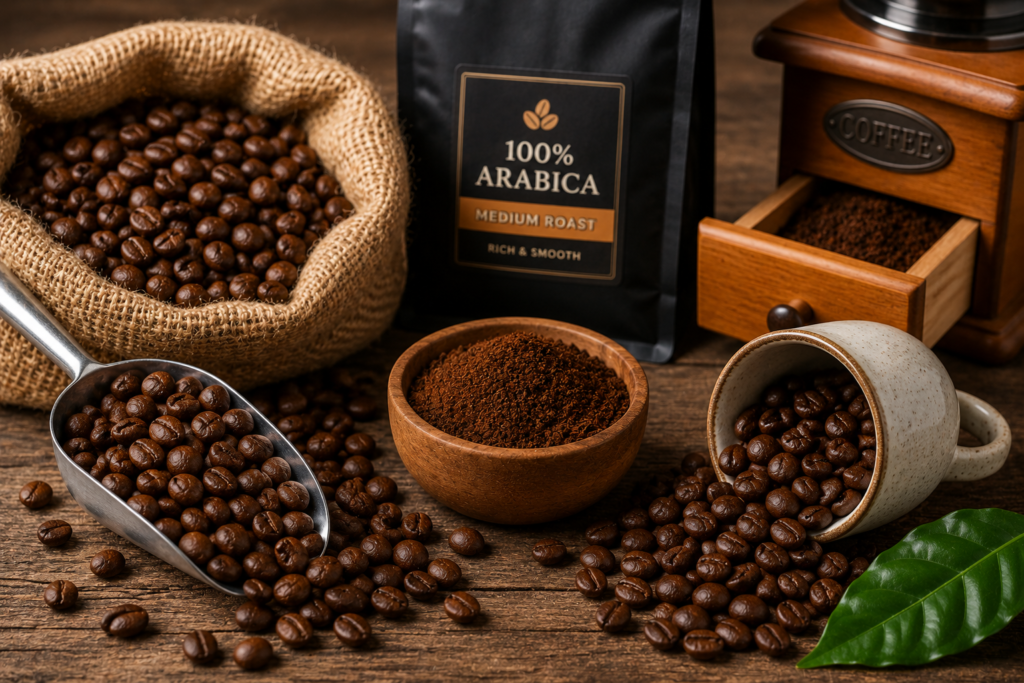
Choose the Right Coffee
The first step is choosing coffee that matches your taste.
Coffee beans are commonly available in different roast levels, including light, medium, and dark roast. Each roast offers a different flavor experience.
Light roast coffee often has a brighter and more noticeable flavor. It can highlight fruity, floral, or slightly acidic characteristics.
Medium roast coffee generally provides a balanced flavor and is a good choice for people who want something smooth without an overly strong roasted taste.
Dark roast coffee usually has a deeper and bolder flavor. It can be a good choice if you enjoy a stronger, more intense cup.
If you are new to coffee, starting with a medium roast is a simple option. Once you understand your preference, you can experiment with different roast levels and coffee varieties.
Whole coffee beans can also be a good choice because you can grind them shortly before brewing. However, quality pre-ground coffee can still work well when stored properly.
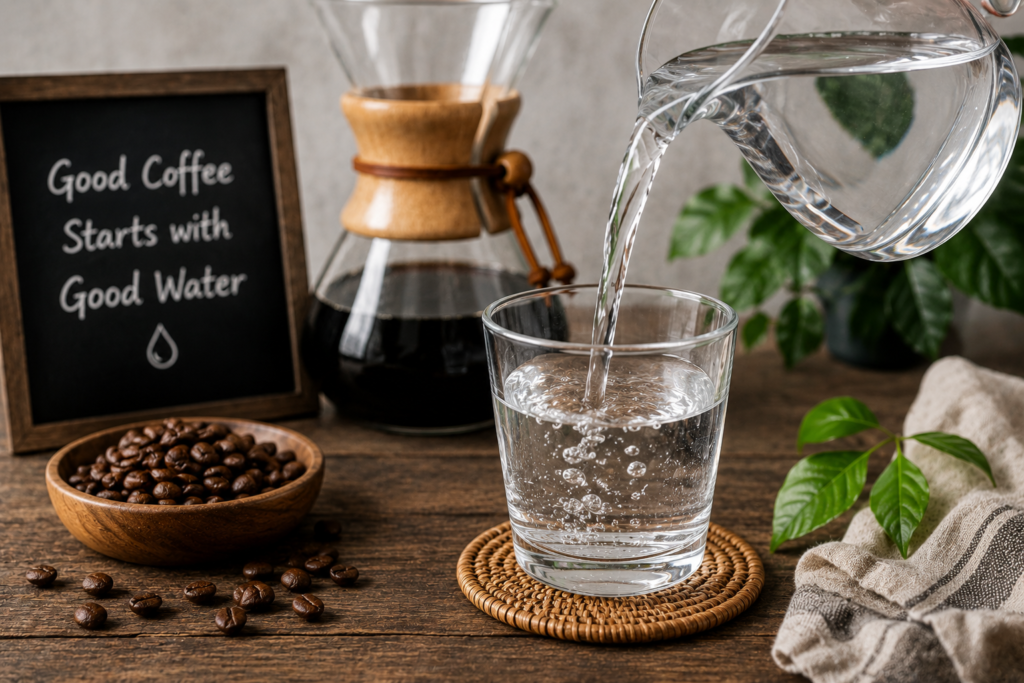
Use Fresh Water
Water is one of the most important ingredients in coffee because most of the drink is water.
If your tap water has a strong smell or unusual taste, it can affect the final flavor of your coffee. Filtered water can often provide a cleaner result.
Always use fresh water when preparing coffee. Avoid repeatedly reheating old water because it may not provide the best flavor.
The quality of the water does not need to be expensive. The main goal is to use clean water that tastes good on its own.
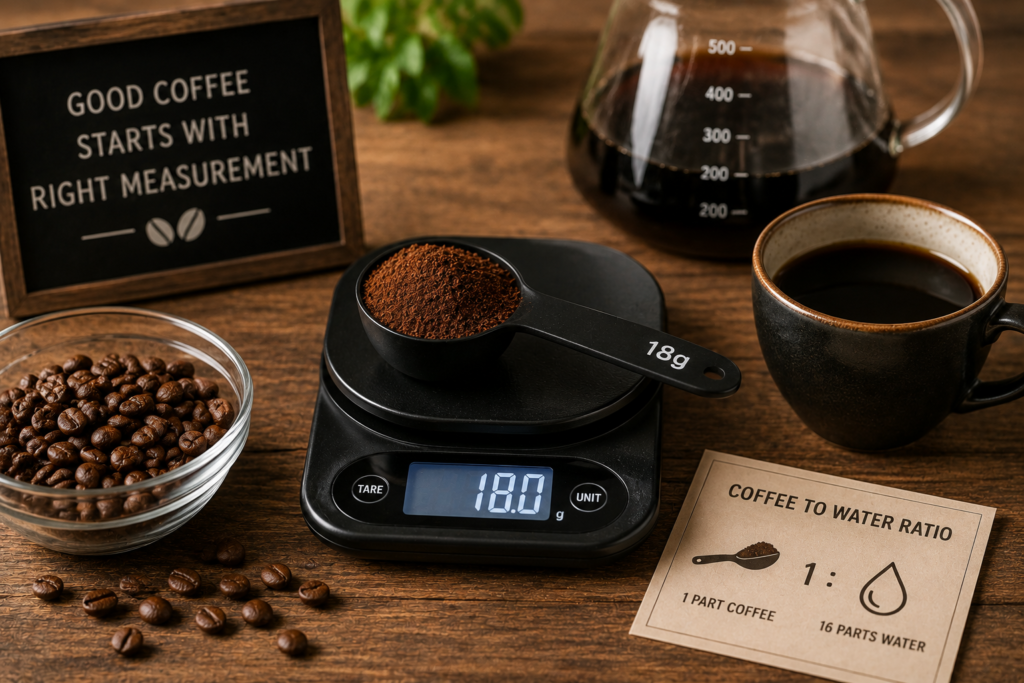
Measure Your Coffee Correctly
One of the easiest ways to improve homemade coffee is to pay attention to the amount of coffee you use.
Using too little coffee can result in a weak and watery drink. Using too much can make the coffee unnecessarily strong or bitter.
A useful starting point is around one part coffee to 15–18 parts water.
For example, if you are preparing approximately 300 ml of coffee, you can start with around 17–20 grams of coffee and adjust the amount based on your preference.
You do not have to follow this ratio perfectly. Think of it as a starting point.
If your coffee tastes too weak, gradually increase the coffee. If it tastes too strong, reduce the amount or add a little more water.
Once you discover a ratio that you enjoy, try to use it consistently. This makes it easier to prepare the same quality coffee every time.
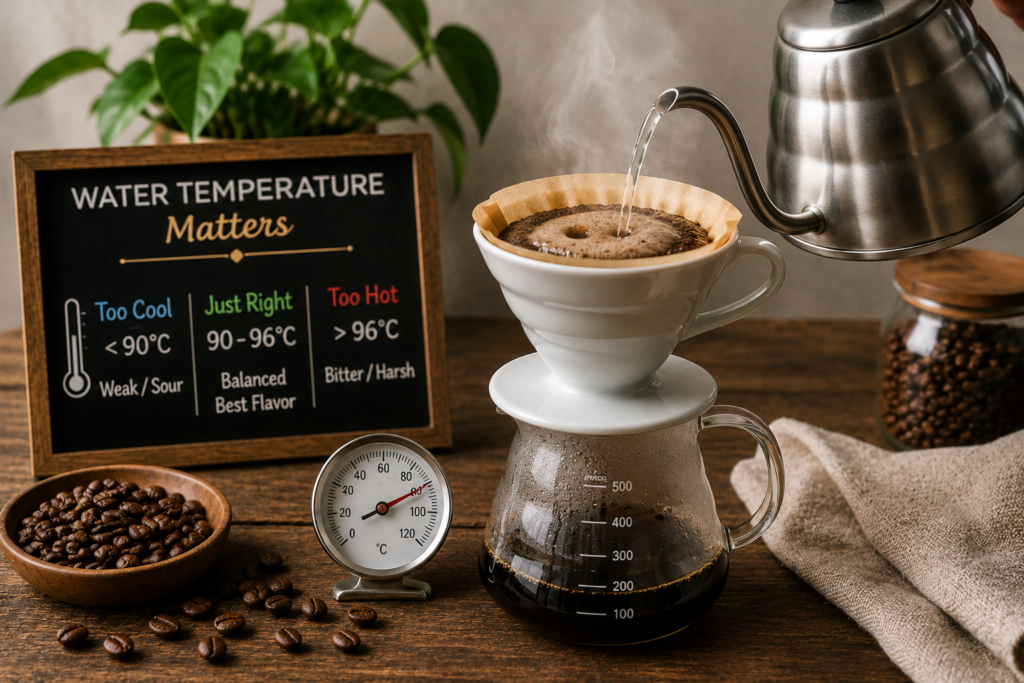
Pay Attention to Water Temperature
Water temperature can also affect the taste of your coffee.
If the water is too cool, the coffee may taste weak or sour because the coffee grounds are not extracted properly.
If the water is excessively hot, it may contribute to a harsh or bitter flavor.
For many brewing methods, a temperature around 90–96°C is a useful range.
You do not necessarily need an expensive thermometer. If you are boiling water manually, allow it to sit for a short time after boiling before using it to brew your coffee.
Your coffee maker may already control the temperature automatically, which makes the process easier.
Prepare Your Coffee Maker
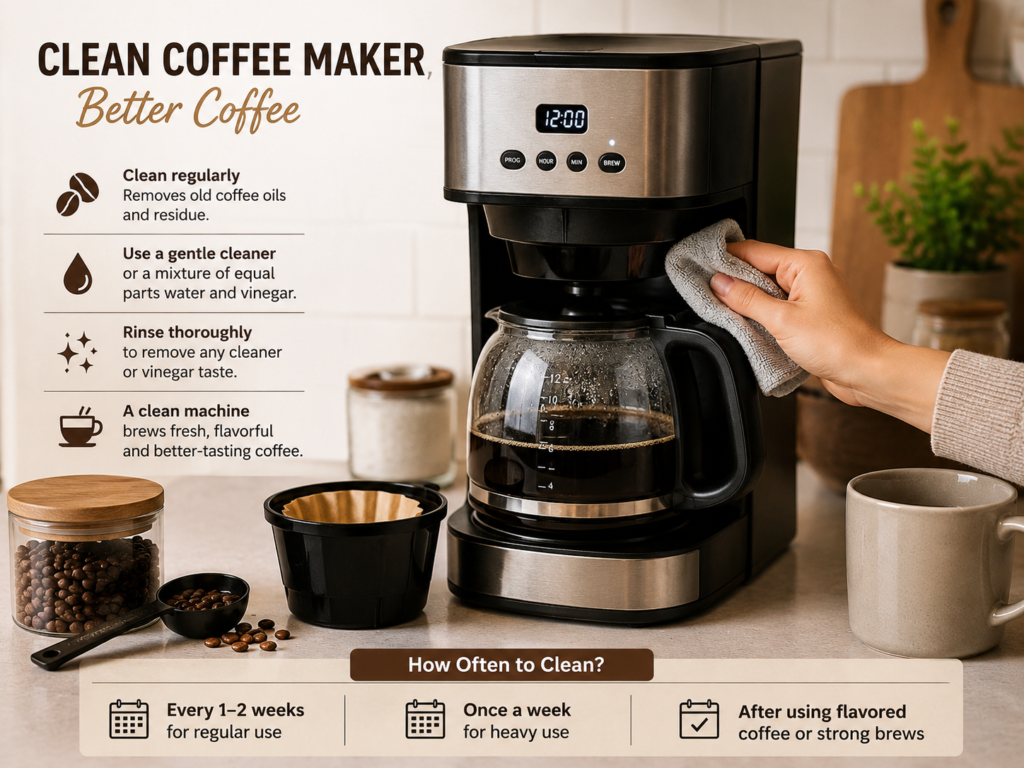
Before making coffee, make sure your coffee maker is clean.
Coffee oils and residue can build up over time. If the machine is not cleaned regularly, old residue can affect the flavor of freshly brewed coffee.
If you are using a single-serve coffee maker, add the appropriate amount of water and place the coffee pod or ground coffee according to the manufacturer’s instructions.
For a drip coffee maker, place the filter correctly and add your measured coffee grounds.
If you are using a French press, add the coffee grounds and hot water before allowing them to steep.
Whatever brewing method you choose, clean equipment is an important part of making better coffee.
Start the Brewing Process
Once everything is prepared, start brewing.
Try not to rush the process. Different brewing methods require different amounts of time, so allow your coffee to brew according to the method you are using.
As the coffee begins brewing, you should notice the aroma becoming stronger. This is one of the most enjoyable parts of making coffee at home.
When the brewing process is complete, give the coffee a quick stir if appropriate. This can help distribute the flavor evenly, especially when using certain brewing methods.
Then pour the coffee into your favorite mug and enjoy it while it is fresh.

Taste the Coffee Before Adding Sugar or Milk
Before adding anything to your coffee, take a small sip.
This allows you to understand the natural flavor of the coffee.
Notice whether it tastes strong, weak, bitter, smooth, acidic, or balanced.
If you find the coffee too strong, adding a little hot water can help.
If it tastes weak, try increasing the coffee-to-water ratio the next time you brew.
If the coffee tastes bitter, consider using a lighter roast, reducing the brewing time, or adjusting the amount of coffee.
Making small changes is usually better than changing everything at once.

Add Milk for a Creamier Coffee
If you prefer creamy coffee, milk can completely change the drinking experience.
You can use regular milk or try alternatives such as oat milk, almond milk, or soy milk.
Warm the milk gently rather than boiling it. Overheating milk can affect its taste and texture.
For a more café-style experience, you can froth the milk before adding it to the coffee.
A simple handheld milk frother can create a layer of foam and make your homemade drink look more like something served at a café.
You can also experiment with the amount of milk. More milk creates a lighter and creamier drink, while less milk allows the coffee flavor to remain stronger.

How to Make a Simple Latte at Home
Making a simple latte-inspired drink at home is easier than many people think.
Start by preparing a strong cup of coffee. Espresso works particularly well, but concentrated coffee from another brewing method can also be used.
Next, warm your milk.
If you have a milk frother, froth the milk until it becomes smooth and lightly foamy.
Pour the coffee into a cup and slowly add the warm milk.
Finish with a small amount of milk foam on top.
You can add a little cinnamon, cocoa powder, or vanilla syrup if you enjoy flavored coffee.
The exact amount of milk depends on your personal taste, so feel free to experiment.
How to Make Iced Coffee at Home
Iced coffee is an excellent option during warm weather.
The process is simple.
First, prepare a slightly stronger coffee than you normally would. This is helpful because melting ice will dilute the drink.
Allow the coffee to cool for a few minutes.
Fill a glass with ice and pour the coffee over it.
You can drink it black or add milk and sweetener.
For a sweeter café-inspired flavor, add a small amount of vanilla syrup, caramel syrup, or chocolate syrup.
If you want an especially smooth iced coffee, you can prepare coffee in advance and chill it in the refrigerator.
How to Store Coffee Properly
Proper storage is important if you want your coffee to remain fresh.
Keep coffee in an airtight container and store it somewhere cool and dry.
Avoid placing coffee near direct sunlight, heat, moisture, or strong-smelling foods.
Coffee can absorb surrounding odors, which may affect its aroma.
If you purchase whole beans, consider grinding only the amount you need for each brewing session.
For pre-ground coffee, keeping the container tightly sealed can help preserve its flavor for longer.
You should also avoid opening the coffee container unnecessarily throughout the day.
Common Coffee-Making Mistakes
Even a good coffee can taste disappointing if a few basic mistakes are made.
One common mistake is using old coffee. Coffee loses some of its aroma and flavor over time, especially after grinding.
Another mistake is using an incorrect coffee-to-water ratio. Too little coffee can produce a weak drink, while too much can make it overly strong.
Using poor-quality water is another issue. Water with a strong taste can affect the final result.
Brewing for too long can also create unpleasant flavors.
Dirty coffee equipment is another common problem. Old coffee oils and residue can remain inside the machine and affect new batches.
Finally, adding too much sugar or syrup can hide the natural characteristics of the coffee.
How to Improve Your Coffee Step by Step
If you are not satisfied with your homemade coffee, do not immediately buy new equipment.
Instead, change one thing at a time.
Start by trying fresher coffee.
Then experiment with the amount of coffee you use.
After that, try adjusting the water amount.
You can also experiment with different roast levels and grind sizes.
If you keep making small adjustments, you will eventually discover a combination that works well for your taste.
It can even be useful to keep a simple note of your favorite recipe. Write down the type of coffee, amount of coffee, amount of water, and brewing time.
This makes it much easier to recreate your favorite cup later.
Do You Need an Expensive Coffee Machine?
Not necessarily.
Expensive equipment can provide additional control, but good coffee is possible with relatively simple equipment.
A drip coffee maker, French press, pour-over brewer, or single-serve coffee maker can all produce enjoyable results.
The most important factors are fresh coffee, clean equipment, good water, correct measurements, and a suitable brewing process.
Instead of focusing only on the price of the equipment, learn how your brewing method works and how different adjustments affect the taste.
How Often Should You Clean Your Coffee Maker?
Regular cleaning helps maintain the flavor and performance of your coffee maker.
After every use, remove used coffee grounds or pods and rinse removable parts when appropriate.
For deeper cleaning, follow the manufacturer’s recommended cleaning schedule.
If you live in an area with hard water, mineral deposits can accumulate inside the machine. Periodic descaling may therefore be necessary.
Always follow the instructions provided for your specific coffee maker because different machines may require different cleaning methods.
Final Thoughts
Making café-style coffee at home does not need to be complicated.
Start with fresh coffee and clean water. Measure your ingredients carefully and use a brewing method that fits your daily routine.
Pay attention to water temperature, brewing time, and the coffee-to-water ratio. If you prefer creamy drinks, experiment with warm milk and foam. If you enjoy refreshing drinks, try making iced coffee.
Most importantly, give yourself time to experiment.
There is no single perfect cup of coffee because everyone’s taste is different. What matters is finding the combination of coffee, water, strength, milk, and sweetness that you personally enjoy.
Once you understand these simple principles, you can make enjoyable coffee at home without relying on a café visit every time.
At Famous Cafe, our goal is to share useful coffee information that helps coffee lovers understand their favorite drink and enjoy better coffee every day.